
Lesson
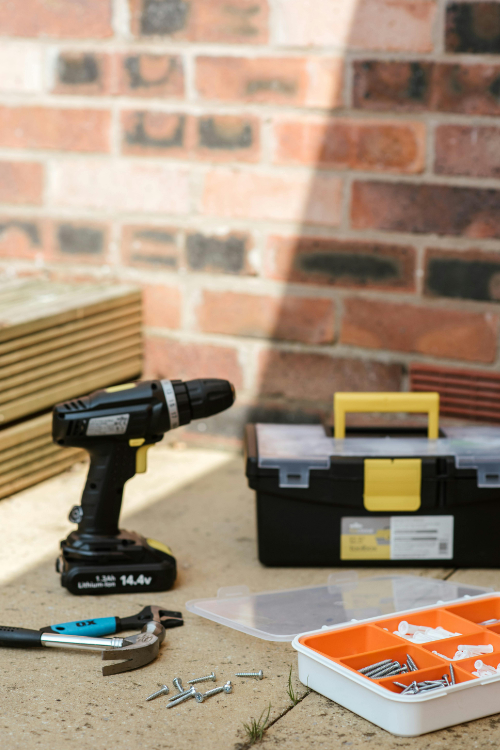
Photo Credit: Anete Lusina.
Explore how repair serves as a meaningful environmental solution by reflecting on your own experiences with broken items and then examining the diverse people and roles that power the broader repair movement.
Grades 6 and up
Time Needed 40 minutes, best delivered in a single class period
Standards
– Next Generation Science Standards Practices: Constructing Explanations and Designing Solutions
– Next Generation Science Standards Performance Expectations: Connects with 3-5-ETS 1-2, MS-ETS 1-2, HS-ETS 1-2 (Engineering Design)
Subjects Career Technical Education (CTE), Social Studies, Civics, Engineering, Art and Design
Editable Handouts
– Introduction to Repair – Student Worksheet – PDF
Purpose and Context
This lesson introduces repair as a powerful environmental solution that supports both people and the planet.
Many products today (especially those made from plastic) are designed to break quickly, encouraging a disposable culture while repair skills, shops, and knowledge sharing have faded from daily life. Bringing repair into schools helps reverse these trends by reconnecting students to how things work, building confidence, and highlighting that “broken” doesn’t always equate to “throw it away”.
Repair honors the resources behind every object, extends product lifespans, and cultivates a mindset of care over disposal. It gives students hands-on ways to engage with sustainability, think critically about consumption and waste, and practice environmental stewardship.
As we confront an unsustainable take-make-waste system, repair becomes essential. It reduces the need for new production, cuts emissions, limits landfill waste, and supports a shift toward a circular economy. Movements like Repair Cafés, Fixit Clinics, and Right-to-Repair legislation show this shift is already happening. By teaching repair, we prepare the next generation to participate in this transformation.
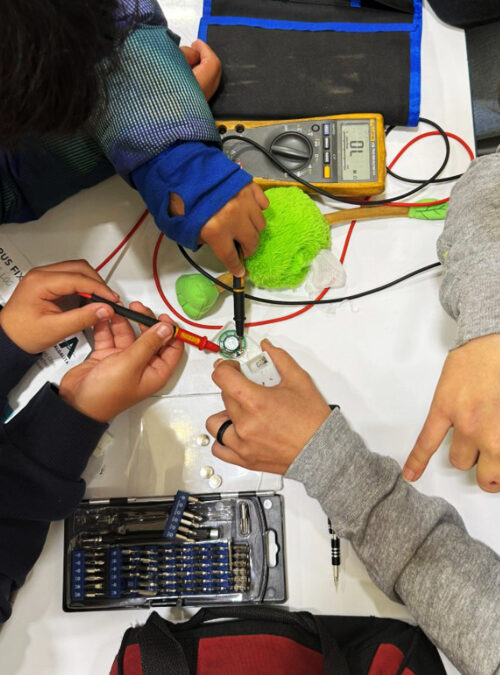
In this activity, students reflect on their personal experiences with a broken item in their past and their potential attempt to repair it. The second part of the lesson then deepens their understanding by connecting different actors in the repair economy to the unique role they can play in the larger movement.
Instructions
Prepare
- Print a copy of the student worksheet for each student.
In Class
Part 1 – Journal, Pair, Share
- Group students into pairs for the Journal, Pair, Share activity.
- Provide each student a copy of the Journal, Pair, Share worksheet.
- Allow pairs to discuss the questions and record their answers on the worksheet for 10 minutes.
- Ask pairs to share their answers aloud to the class while you lead a discussion for 10 minutes.
Part 2 – Build the Repair Ecosystem
- On the back of the worksheet, students will find the Repair Connections activity.
- In the same pairs, students work together to complete the matching activity where they match each stakeholder to the specific way they help strengthen the repair ecosystem by drawing a line between the two columns. Allocate 10 minutes for students to complete this worksheet.
- Ask pairs to share one match each aloud to the class while you lead a discussion for 10 minutes.
Associated Standards
NGSS:
- Next Generation Science Standards Practices: Constructing Explanations and Designing Solutions
- Next Generation Science Standards Performance Expectations: Connects with 3-5-ETS 1-2, MS-ETS 1-2, HS-ETS 1-2 (Engineering Design)
In Part 2, students evaluate “repair” as a solution to waste and its impact on the environment, using the criteria and constraints experienced in communities. Students do this evaluation by constructing a systems model that connects the challenges and benefits of repair to various community stakeholders.
Educator Survey
Data is key. Help us understand how this free resource is being used.
Related Resources
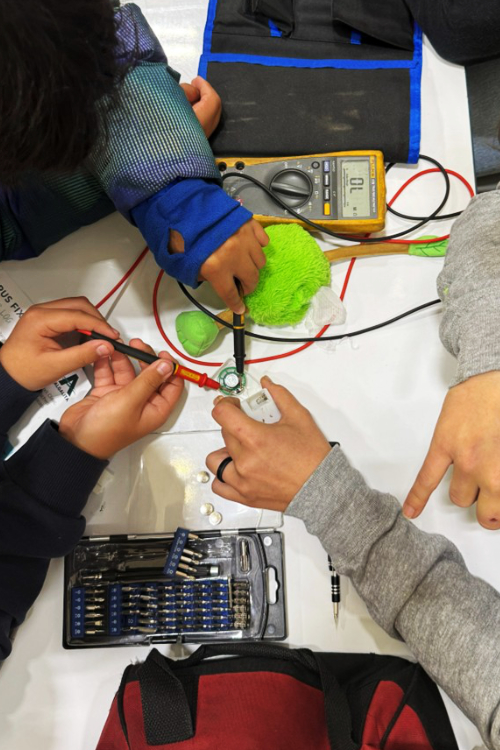
Digital Toolkit: How to Host a Fix-It Clinic At School
This digital tool kit will guide you through the steps to plan and facilitate a volunteer led fix-it clinic at your school to help your school build community, save money, and keep stuff out of the landfills.
All grades
Open-ended timeframe
Explore more
The Story of Plastic (Animated Short)
A brief introduction to the issue of plastic pollution, produced by Story of Stuff.
Breathe this Air: A #PlasticJustice Film
A short film about communities being impacting by plastic production.